
Vitamins and Minerals in Your Food
Explore the complete guide to essential micronutrients found in everyday foods. Learn how they nourish your body and support optimal health.
Nutrient-Rich Foods Visual Collection
Discover the most nutrient-dense foods across different categories

Leafy Greens
Packed with iron, calcium, and magnesium. Spinach, kale, and chard are excellent sources of vitamins K and A for bone health and vision.

Citrus Fruits
Oranges, lemons, and grapefruits deliver abundant vitamin C for immune function. They also contain folate and potassium for cardiovascular health.

Nuts & Seeds
Almonds, walnuts, and sunflower seeds provide zinc, selenium, and magnesium. Rich in vitamin E and healthy fats for overall wellness.

Legumes & Pulses
Lentils, chickpeas, and beans are excellent sources of plant-based iron and folate. High in fibre and B vitamins for energy metabolism.

Fish & Seafood
Salmon, mackerel, and sardines provide omega-3 fatty acids and selenium. Rich in vitamin D for bone health and immune support.

Colourful Vegetables
Red peppers, broccoli, and carrots offer beta-carotene and vitamin C. Each colour represents unique antioxidants and minerals.
Why Micronutrients Matter for Your Health
The Foundation of Wellness
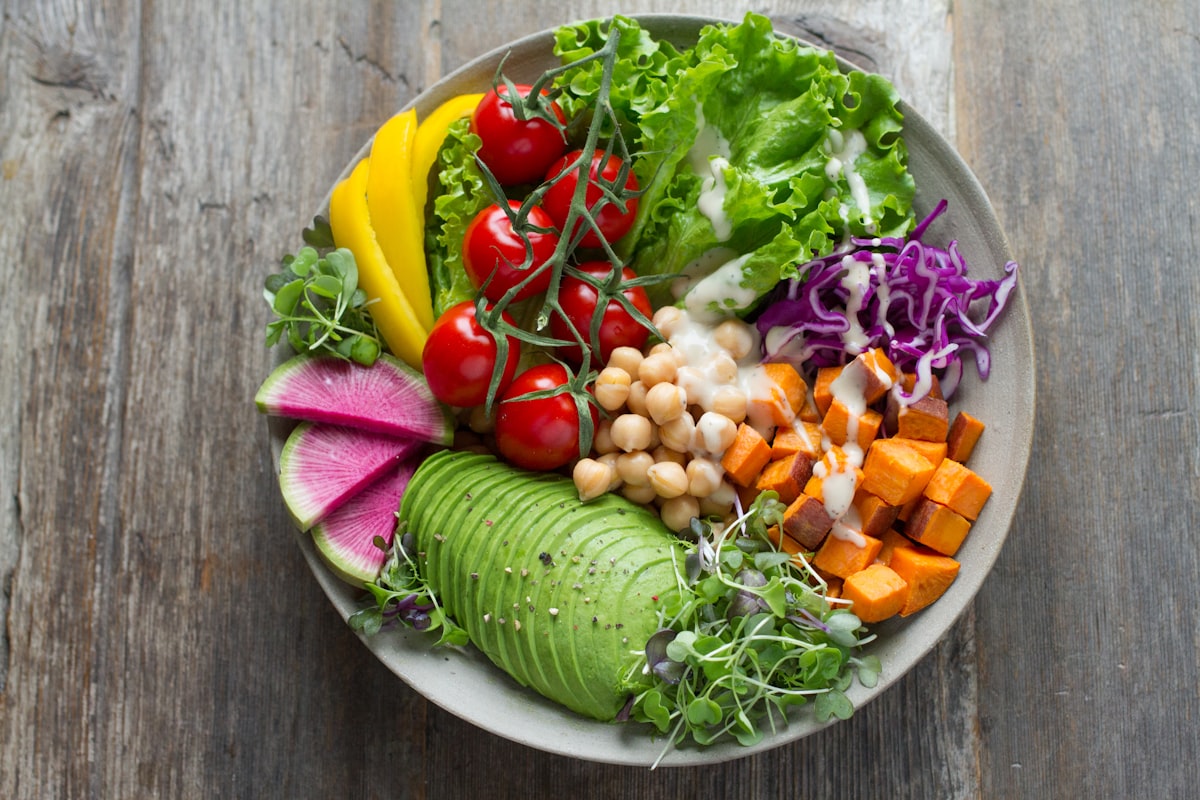
Vitamins and minerals are essential micronutrients that your body cannot produce on its own. They are required for hundreds of metabolic processes, from energy production to immune defence. Understanding where these nutrients come from helps you make informed dietary choices that support long-term wellness.
Each micronutrient serves specific roles in your body. Vitamin D regulates calcium absorption for bone strength. Zinc supports immune function. Iron carries oxygen throughout your bloodstream. B vitamins fuel energy metabolism. When you consume a variety of nutrient-dense foods, you provide your body with the raw materials it needs to thrive.
The key to nutritional wellness is diversity. By eating foods across all food groups—vegetables, fruits, whole grains, lean proteins, and healthy fats—you naturally receive a comprehensive spectrum of vitamins and minerals that work together synergistically.
Explore Nutrient GuidesEssential Micronutrients Explained
Key vitamins and minerals and their roles in your body
Vitamin D
Regulates calcium absorption for strong bones and teeth. Supports immune function and mood regulation. Found in fatty fish, egg yolks, and fortified dairy products.
Iron
Essential for oxygen transport and red blood cell formation. Supports energy levels and cognitive function. Available in red meat, beans, spinach, and fortified cereals.
Zinc
Crucial for immune defence and wound healing. Supports protein synthesis and cell division. Found in oysters, beef, pumpkin seeds, and chickpeas.
Folate (B9)
Vital for cell division and DNA synthesis. Essential during pregnancy for fetal development. Abundant in leafy greens, asparagus, Brussels sprouts, and lentils.
Calcium
Builds and maintains bone density and strength. Supports muscle contraction and nerve signalling. Rich in dairy products, fortified plant milks, and leafy greens.
Vitamin C
Powerhouse antioxidant that boosts immune function. Aids iron absorption and collagen synthesis. Plentiful in citrus fruits, berries, peppers, and tomatoes.
How Your Body Absorbs Nutrients
Digestion Begins
When you consume food, your digestive system breaks it down through mechanical and chemical processes. Saliva, stomach acid, and enzymes start separating nutrients from the food matrix, preparing them for absorption.
Intestinal Absorption
Vitamins and minerals are absorbed through the walls of your small intestine. Some nutrients require specific carriers or cofactors for effective absorption—for example, vitamin D helps calcium absorption, and stomach acid aids mineral uptake.
Transport & Storage
Once absorbed, nutrients travel via the bloodstream or lymphatic system to cells throughout your body. Fat-soluble vitamins (A, D, E, K) are stored in body fat, while water-soluble vitamins (B, C) are generally not stored and need regular replenishment.
Cellular Utilisation
Vitamins and minerals are incorporated into enzymes, proteins, and other cellular structures. They catalyse essential reactions that keep your body functioning—from energy production to immune defence to bone formation.
What Our Readers Are Saying
"This guide completely changed how I approach nutrition. I never realised how interconnected vitamins and minerals are. The explanations about nutrient absorption were eye-opening, and I now understand why eating a variety of foods matters so much. Cleaneatingleader's approach is scientific yet accessible. I've already shared it with friends and family."
Sarah Mitchell
Manchester, UK
"As someone managing specific dietary needs, this resource is invaluable. I found detailed information about which foods contain the micronutrients I need, and the visual guide makes it so easy to plan meals. The science is backed by real research, not marketing fluff. It's refreshing to find honest, educational content about nutrition."
David Chen
London, UK
"I've been reading about nutrition for years, but this guide brought everything together in a way that finally makes sense. The sections on mineral absorption and nutrient interactions were particularly helpful. I've incorporated the recommendations into my family's meals, and we're all feeling better. Highly recommend for anyone serious about understanding their nutrition."
Emma Robinson
Bristol, UK
Common Questions About Vitamins and Minerals
Vitamins are organic compounds created by plants or animals, while minerals are inorganic substances that come from soil and water. Your body cannot produce vitamins on its own—you must obtain them from food. Similarly, your body cannot create minerals; they come from the earth and enter food when plants absorb them from soil. Both are essential for maintaining health, though they function differently within your body.
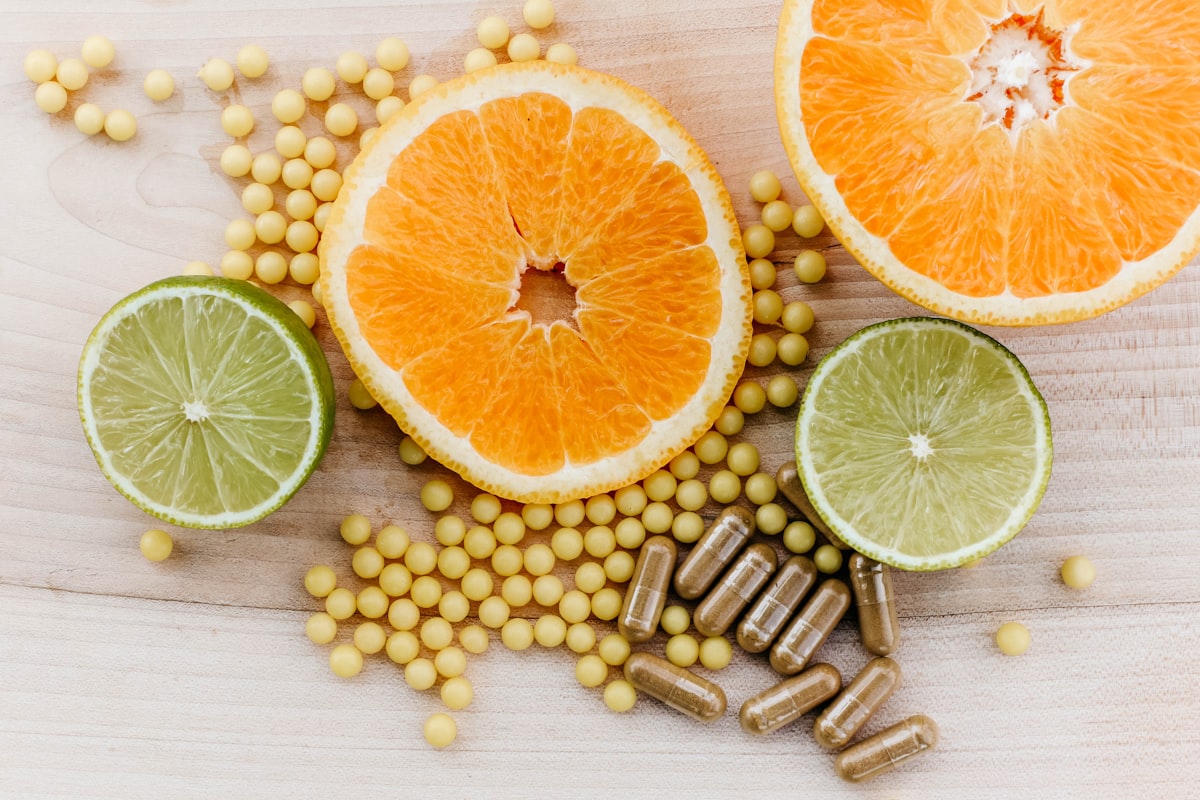
Most people can meet their nutritional needs through a well-balanced, varied diet that includes whole grains, vegetables, fruits, lean proteins, and healthy fats. However, certain situations—pregnancy, specific health conditions, dietary restrictions, or limited food access—may require supplementation. It is wise to consult with a healthcare provider to assess your individual needs before taking supplements.
Nutrient-dense foods include leafy greens (spinach, kale), colourful vegetables (broccoli, peppers), fatty fish (salmon, mackerel), legumes (lentils, chickpeas), nuts and seeds, berries, and organ meats. These foods provide more vitamins and minerals per calorie than processed foods. The key is eating a rainbow of colours, as different pigments indicate different micronutrient profiles.
Some nutrients are heat-sensitive, like vitamin C, which can be reduced by cooking. However, other nutrients become more bioavailable (easier to absorb) when cooked—lycopene in tomatoes and beta-carotene in carrots are examples. Different cooking methods have different impacts. Steaming and light sautéing tend to preserve more nutrients than boiling. The solution is to eat foods both raw and cooked to maximise nutrient intake.
Signs of nutrient deficiency vary depending on which nutrient is lacking. General signs include fatigue, weakness, frequent infections, poor wound healing, or changes in skin and hair quality. However, these symptoms can have many causes. If you suspect a deficiency, consult a healthcare professional who can perform appropriate testing and provide personalised guidance based on your individual health needs and dietary patterns.
Explore Our Complete Nutrient Library
Discover detailed guides about vitamins, minerals, and nutrient-rich foods. Access our editorial content to deepen your understanding of nutrition and make informed dietary choices.
Stay Updated with Our Latest Articles
Subscribe to receive notifications about new nutrition guides and research summaries.
We respect your privacy. Unsubscribe anytime.